The Best Decorative Garage Door Accessories in Parker
A garage door takes up a surprising amount of visual space on a house. In many Parker neighborhoods, it is one of the first things people see from the street, especially on newer homes where the garage faces forward and claims a big share of the facade. That is why decorative garage door accessories matter more than people expect. A plain door can make a well-kept home feel unfinished. The right hardware, windows, trim accents, and lighting can pull the whole exterior together without forcing a full door replacement.
I have seen homeowners spend weeks picking stone veneer, paint colors, shutters, and front entry fixtures, then leave the garage door untouched because it felt too technical or too expensive to improve. Usually, it is neither. Good decorative upgrades sit in a practical middle ground. They change the look dramatically, but if you choose well, they do not interfere with balance, operation, insulation, or long-term maintenance.
In Parker, that judgment matters. You are working with strong sun, wind, cold snaps, spring dust, and the occasional storm that can punish flimsy materials fast. Decorative pieces need to look good from the curb, but they also need to survive real weather and still make sense on a working garage door.
What makes a garage door accessory worth adding
Not every accessory improves a door. Some only add clutter. Others look sharp in a showroom photo and cheap once they are bolted onto a real home. The best upgrades do three things at once. They respect the scale of the door, match the architecture of the house, and hold up to local conditions.
Scale is the first filter. Hardware that looks substantial on a carriage-style double door can disappear on a tall modern panel. Small fake hinge straps may read Garage Door Accessories Parker as an afterthought from the street. Oversized handles on a narrow single door can look theatrical. Good proportions are not complicated, but they do require stepping back to the curb and judging the whole elevation, not just the accessory in your hand.
Style comes next. Parker has a broad mix of homes, from rustic-inspired suburban builds and mountain-adjacent aesthetics to cleaner transitional designs and more contemporary exteriors. Decorative accessories should echo the house rather than compete with it. Matte black hardware can sharpen a white or light gray door beautifully. On a warm-toned stone-and-stucco home, oil-rubbed bronze often sits more comfortably. Frosted glass may suit a sleek modern build, while seeded or divided-light windows feel more at home on traditional facades.
Durability is the final test, and this is where a lot of disappointing upgrades fail. Thin magnetic accents can curl or fade. Low-grade plastic handles can chalk over in the sun. Adhesives that seemed convenient during installation may loosen after seasonal temperature swings. If you are shopping for Garage Door Accessories Parker homeowners actually benefit from, durability has to be part of the conversation from the start.
Decorative hardware that genuinely changes the look
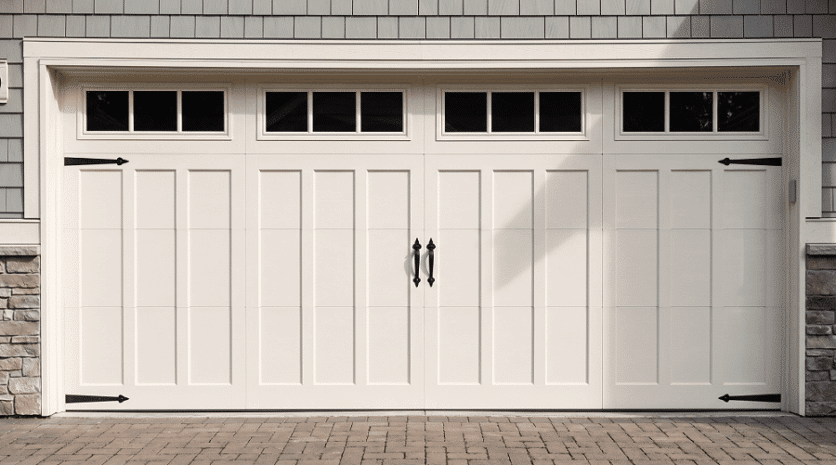
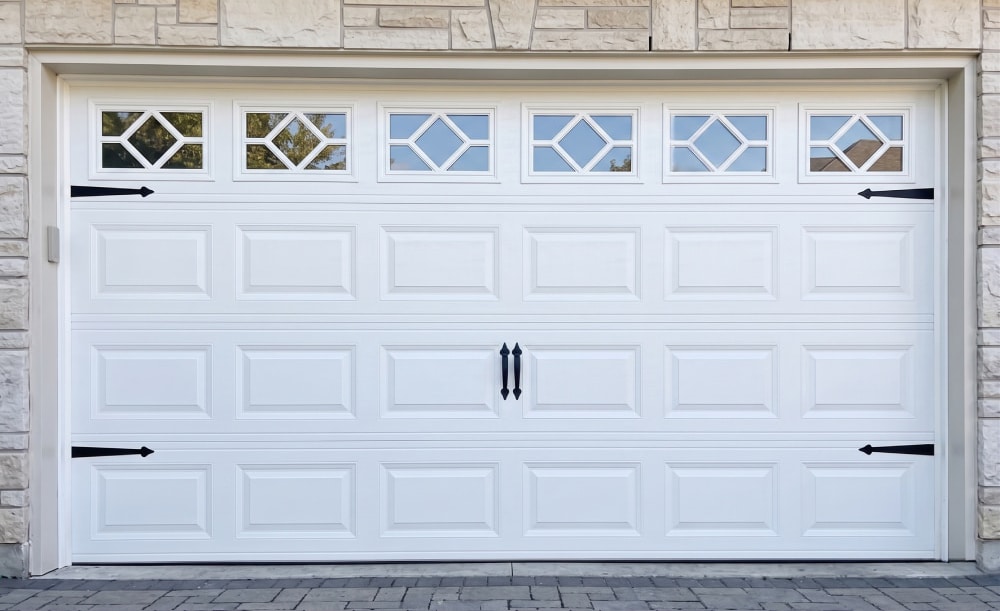
The most popular garage door accessory, and often the smartest first upgrade, is decorative hardware. Done right, it gives a standard sectional overhead door the visual language of a carriage-house door. That means faux hinge straps, corner accents, ring pulls, or vertical pull handles designed to create a handcrafted appearance.
This works particularly well on homes that already lean traditional, farmhouse, craftsman, or rustic. A steel raised-panel door can feel generic. Add properly sized black strap hinges and simple pulls, and suddenly the door feels intentional. It is still the same door mechanically, but the house reads differently from the street.
There is a catch, though. Decorative hardware only works when it respects how the door opens. A sectional door bends at the panel joints and rolls overhead. If the hardware is bulky or mounted in a way that interferes with panel movement, you create Garage Door Accessories Parker a service problem for the sake of appearance. That is why surface-mounted kits designed specifically for sectional doors are important. They are lighter, flatter, and shaped to clear normal movement.
Material matters too. Powder-coated steel or high-quality composite hardware tends to perform better than lightweight stamped pieces with thin finishes. In Parker’s sun, black finishes hold up reasonably well if the coating is good, but cheap coatings can fade unevenly. Bronze tones can be forgiving on dust and weathering, though they vary wildly in quality. Before installing anything, it is worth opening and closing the door manually a few times and checking clearances around seams, trim, and weatherstripping.
One homeowner I spoke with had added decorative strap hinges bought online because the photos looked convincing. They looked fine for about six months. By the following season, the finish had dulled to a muddy gray and one ring pull rattled in the wind. The replacement set, from a door-specific supplier rather than a generic decor seller, cost more up front but solved the problem. That is typical. Exterior hardware is one of those categories where bargain pricing often shows up later.
Windows, the upgrade people either love or regret
Adding or upgrading garage door windows can transform a door more than any other single decorative feature. It changes not just the appearance but the way the garage feels from inside. Natural light makes a garage more useful for storage, projects, home gym setups, and daily entry. From the street, windows break up a large slab of material and can make the whole front elevation feel less heavy.
But windows are not universally the right move. On a detached garage used mainly for parking, they are often a clear aesthetic win. On a street-facing attached garage with direct sun exposure, privacy concerns, or a very tight energy budget, the decision deserves more thought. Insulated glass options help, and obscure or frosted glass can soften visibility, but every glazed opening behaves differently than a fully insulated steel panel.
Placement makes a huge difference. A row of top-section windows is classic because it adds light while preserving privacy and keeping the visual weight higher on the door. Vertical window layouts can be striking on modern doors, especially when repeated elsewhere on the home. Grilles or divided lites should echo actual architectural lines. If the house has prairie-style windows or a grid pattern at the front entry, repeating that language on the garage often works better than improvising.
In Parker, I usually advise homeowners to think about orientation before they choose clear glass. A west-facing garage can get intense afternoon sun. That can create glare inside and a hotter interior during the warmer months. Tinted or frosted options often strike a better balance. If the garage doubles as a workshop, though, some people gladly accept that trade-off for the daylight.
Magnetic accents and faux details, when they work and when they do not
Magnetic decorative kits have become popular because they promise a fast style update without drilling holes. Some are surprisingly convincing from a distance. On the right steel door, with a flat enough surface and a decent-quality magnet, they can be a practical test run before committing to permanent hardware.
The problem is that the market is flooded with products that photograph better than they perform. Weak magnets shift over time. Thin plastics can warp. A piece that sits perfectly in cool weather may creep slightly in heat, and once alignment goes off, the whole effect starts to look temporary. Strong winds do not help.
That does not mean magnetic accents are always a bad idea. For homeowners who want a carriage-house look but are not ready to drill into a new door, they can be useful. They are also handy in neighborhoods where aesthetic updates need to be subtle and reversible. Still, I treat them as an interim solution, not a forever upgrade. If you choose them, look for thicker material, UV-resistant finishes, and dimensions that suit your panel size. Tiny faux hinges on a wide double door almost always look underscaled.
Trim, overlays, and surface design
Some of the most effective decorative upgrades are not hardware at all. They are changes to the visual shape of the door. Overlay trim, applied molding, and panel design enhancements can shift a flat or standard panel door into something richer and more architectural.
This category demands restraint. Applied trim can elevate a plain surface, but if the profile is too ornate or the spacing ignores the existing panel joints, the result feels forced. Garage doors are large moving objects, not static walls. Details that would look elegant on interior millwork can read busy outdoors, especially from forty feet away.
For carriage-house aesthetics, simple crossbuck overlays or framed recessed-panel treatments tend to age better than fussy ornament. On modern homes, flush doors with horizontal reveals often look strongest when left clean, paired with sleek lighting and perhaps a wood-look finish rather than added decoration. The point is not to decorate for the sake of it. The point is to create coherence.
One of the better transformations I have seen involved a builder-grade embossed steel door on a house with warm cedar accents near the entry. Instead of replacing the whole door, the owner added a high-quality faux wood overlay system in a medium walnut tone, then swapped the coach lights flanking the garage. The result looked custom from the street. It also cost far less than a premium full-view or real wood replacement would have.
Lighting is not attached to the door, but it is part of the picture
If you only upgrade the accessories on the door and ignore the lighting around it, you may miss half the opportunity. Decorative garage door accessories do not live in isolation. Sconces, soffit lighting, and even the finish of nearby house numbers all influence how the garage area reads after dark.
This matters in Parker, where many homeowners leave before sunrise in winter and return after sunset. The garage facade gets seen at night as often as it does during the day. If you add black decorative hinges and pulls, but the adjacent carriage lights are shiny brass from another decade, the composition feels split. Coordinate finishes where possible, or at least make sure they belong to the same visual family.
A good wall-mounted fixture can also soften the mass of the garage. Tall, narrow sconces flatter vertical trim and traditional homes. Boxier matte black fixtures often support contemporary lines. The best choice depends on the door style, surrounding materials, and mounting height. The garage should not outshine the front entry, but it should not feel neglected either.
Color, finish, and the Parker climate
People often ask whether decorative accessories should match the door color or contrast with it. Most of the time, contrast wins. Black hardware on a white, cream, taupe, or stained wood-look door remains the most broadly successful combination because it reads clearly from the street. Tone-on-tone accents can work, but they need texture or enough depth in finish to avoid disappearing.
Heat exposure changes the equation slightly. Dark finishes absorb more heat, and on sun-facing doors that can stress lower-grade materials. This is one reason high-quality powder coating matters. Cheap painted hardware may blister or fade where better-finished hardware simply ages.
Dust is another local reality. Parker is not uniquely dusty, but wind and dry periods make exterior surfaces look tired faster than homeowners expect. Satin and matte finishes generally hide that better than glossy ones. Highly reflective decorative pieces can also feel disconnected from the understated look many homes here wear best.
If the garage door itself is due for repainting or refinishing, do not choose accessories first. Color drives everything. A warm greige door may want a different metal tone than a cool charcoal one. Wood-look finishes especially can shift depending on sun and stain depth, so accessories should be selected against the final door tone, not a sample chip viewed indoors.
The accessories that usually deliver the best return
For most homes, the strongest visual payoff comes from a small set of upgrades rather than a long list of add-ons. When clients ask where to start, these are the changes that most often make a real difference:
- Decorative hinge and handle hardware sized correctly for the door.
- Top-row windows, especially insulated or frosted options where privacy matters.
- Coordinated exterior lighting near the garage opening.
- Updated trim or overlay details that match the home’s architecture.
- Fresh color or faux wood finishing if the door itself looks tired.
That order can shift depending on the house. A modern black-framed full-view door does not need strap hinges. A rustic suburban elevation may come alive with hardware alone. The point is to choose a few elements that reinforce each other rather than layering every available accessory onto one facade.
What to avoid, even if it seems attractive in the showroom
Some decorative upgrades look exciting in isolation but become expensive mistakes after installation. The common thread is usually overstatement. Garage doors are large enough that even small decorative choices multiply visually. A pattern that seems subtle on a sample board can become loud on a sixteen-foot opening.
Here are the missteps I see most often:
- Hardware that is too small, too thin, or too ornate for the scale of the door.
- Mixed metal finishes that clash with nearby lighting, railings, or entry hardware.
- Decorative pieces mounted without checking door travel and panel clearance.
- Window styles that ignore the architecture of the house.
- Low-quality adhesive or magnetic products used as permanent solutions.
Another problem is chasing a style the home does not support. A farmhouse accessory package on a strongly contemporary house can feel costume-like. The reverse is also true. Minimalist vertical glazing and flush panels may look great on a modern build but awkward on a house with heavy stone columns and traditional shutters. Decorative choices should complete the architecture that already exists.
Practical installation matters more than most homeowners think
A garage door is not just another exterior surface. It moves, flexes slightly, seals against weather, and relies on balance to operate safely. Decorative accessories need to respect that system. Even lightweight hardware can cause problems if mounted across panel breaks or too close to edges where it interferes with weatherstripping.
This is one reason professional installation is often worth considering, especially for anything beyond magnetic accents or surface-level decor. A technician or experienced installer will understand how panel seams, reinforcement struts, handles, insulation layers, and opener clearances affect placement. They can also tell you when a decorative goal is fighting the mechanics of the door.
If you are adding windows to an existing door, the stakes rise further. Retrofitting windows is not impossible, but it changes panel structure and can alter door balance. On some older doors, replacement may be smarter than modification. That is not a sales line, just a reality. A decorative project stops being a bargain if it creates operation issues or shortens the life of the door.
Matching accessories to home styles common around Parker
The homes around Parker span enough styles that there is no universal accessory package. Traditional suburban homes often respond well to carriage-style hardware, top-row windows with simple grilles, and warm-toned or matte black lighting. Craftsman-influenced exteriors usually like straightforward, sturdy details rather than ornate scrollwork. Rustic or mountain-inspired homes can carry heavier visual elements, especially with wood-look doors and darker hardware.
Contemporary homes need more discipline. The best decorative choice may be very little, perhaps slim vertical windows, a flush door, and minimal lighting with clean lines. In these cases, added faux hinges usually hurt more than they help. Transitional homes fall in the middle. They can often support black hardware, restrained windows, and crisp trim updates without looking overdone.
A useful trick is to look at the front entry door and the nearest visible windows. If your garage door accessories feel like distant cousins of those elements, you are probably on the right path. If they look like they were chosen from a completely different house style, keep shopping.
Budget expectations and where the money actually goes
Decorative upgrades can range from modest to substantial. Surface hardware kits are usually the most affordable path. Lighting upgrades and repainting sit in the middle, depending on fixture quality and prep work. Window additions, overlays, and faux wood finishing cost more, but they also create a stronger transformation.
The smartest spending is not always the biggest spending. On many homes, a clean repaint, better lighting, and quality decorative hardware outperform a more expensive but mismatched specialty upgrade. I have seen homeowners put real money into elaborate overlay patterns while leaving faded trim and dated sconces untouched. The result still felt off because the visual story was incomplete.
For homeowners searching specifically for Garage Door Accessories Parker contractors or suppliers offer, I would focus less on the buzzwords in product listings and more on finish quality, weather resistance, and whether the accessory was actually designed for a functioning sectional garage door. That language tells you more than a staged product photo ever will.
The finishing touch should feel natural
The best decorative garage door accessories do not announce themselves as accessories. They make the house look more resolved, as if the door always belonged there in that exact form. That is the standard worth aiming for. Whether you choose hardware, windows, trim, lighting, or a combination of the four, the goal is not to decorate every inch. It is to give the garage door enough character that it supports the architecture instead of flattening it.
A well-chosen upgrade can change the feel of the whole property from the curb. It can also make daily use more satisfying, which is no small thing on an element you see and operate so often. If you start with proportion, match the home’s style honestly, and buy for Parker’s climate rather than a product photo, the right accessories tend to stand out for the right reasons.
Select Garage Doors
11479 Pine Dr
Parker, CO 80134, United States
Phone: (303) 228-0018
FAQ About Garage Door Accessories Parker
Where can I find garage door accessories?
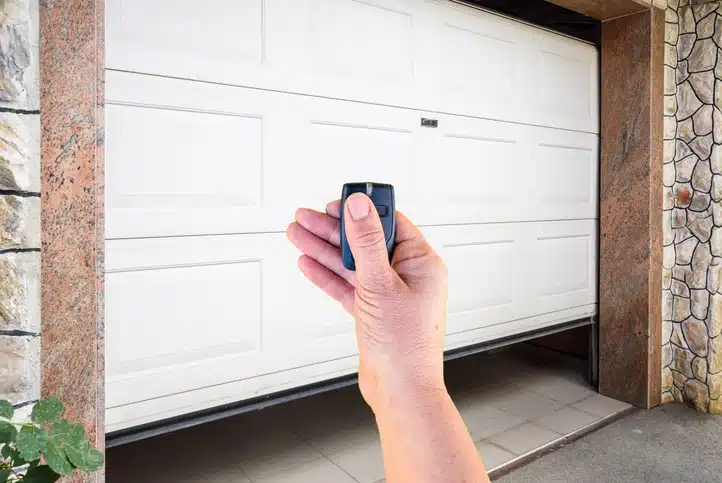
Garage door accessories are available from garage door service companies, authorized dealers, home improvement stores, and specialist suppliers. Select Garage Doors supplies and installs accessories for homeowners in Parker, including compatible remotes, wireless keypads, weather seals, and smart controls. Check your opener model and door specifications before choosing a replacement or upgrade.
How to make a garage door more attractive?
Cleaning the door, refreshing a manufacturer-approved finish, and choosing coordinated decorative handles or hinge accents can improve its appearance. Compatible window inserts may also change the look of an existing window section. Match accessories to the door material and style, and make sure added hardware does not interfere with movement, seals, or safety equipment.
Where can I buy garage door inserts?
Decorative window inserts can be sourced through the door manufacturer, an authorized garage door dealer, or a supplier that carries parts for your specific door series. Match the model, window frame dimensions, and attachment system; inserts are not universally interchangeable. Ask a professional to confirm compatibility before ordering, especially if the work involves glass or changes to a door section.